
Interventional Radiology Newsletter - Autumn edition
BSIR Annual Scientific Meeting 4th – 6th November 2026

We are supporting this year’s British Society of Interventional Radiology (BSIR) Annual Scientific Meeting at the ICC Birmingham, bringing together professionals from across the field of Interventional Radiology to share knowledge, explore new techniques and discuss developments in clinical practice.

With sessions led by national and international speakers, the meeting offers valuable educational opportunities for clinicians working across vascular and non-vascular interventions and remains a key event in the Interventional Radiology calendar.
This year, we are pleased to support the GI Stenting and Atherectomy hands-on workshops, giving attendees the opportunity to gain practical experience with a range of interventional technologies. Participants will have the opportunity to deploy TaeWoong Medical Niti-S GI stents and use the Auryon laser atherectomy system from AngioDynamics, exploring the techniques and technologies used in these procedures.
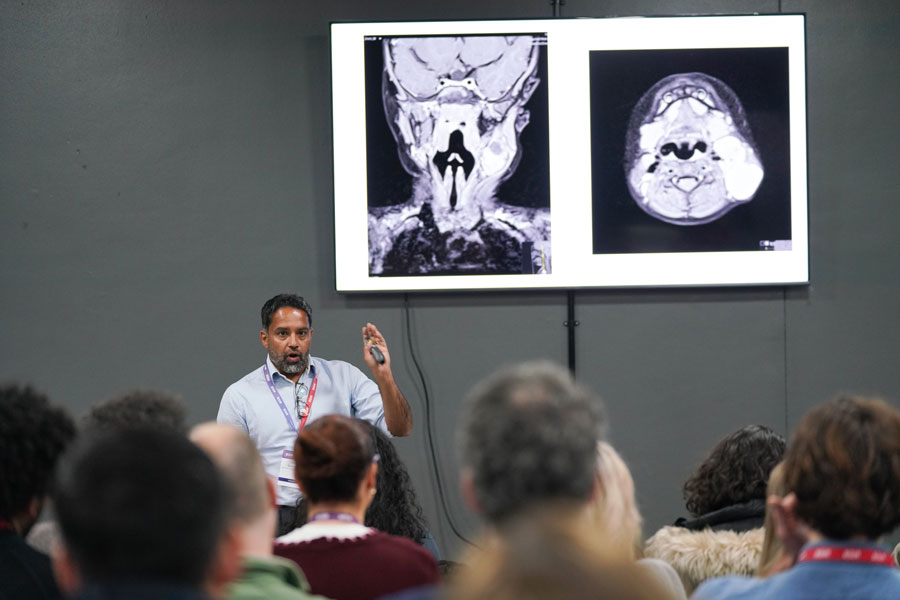
Please make sure you visit the Aquilant stand in the exhibition hall. We will be showcasing our latest innovations in Interventional Radiology including the NanoKnife IRE system, our versatile arterial and venous stents from Optimed, the leading range of embolisation solutions from Balt, our cost-effective biopsy solutions from GMT Medical and some of our new additions from DK Medtech and AMT Medical.
We look forward to seeing you there!
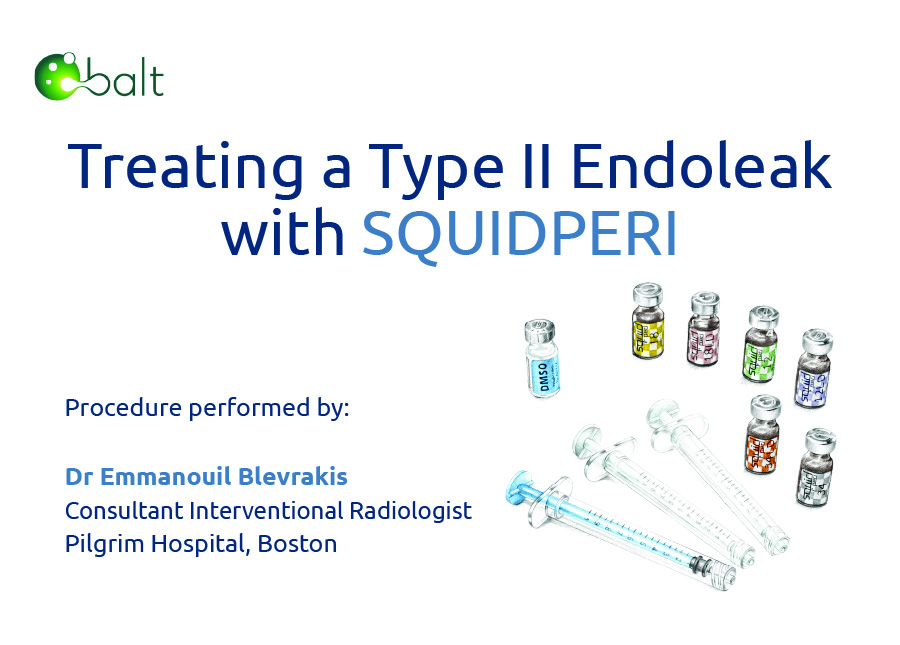
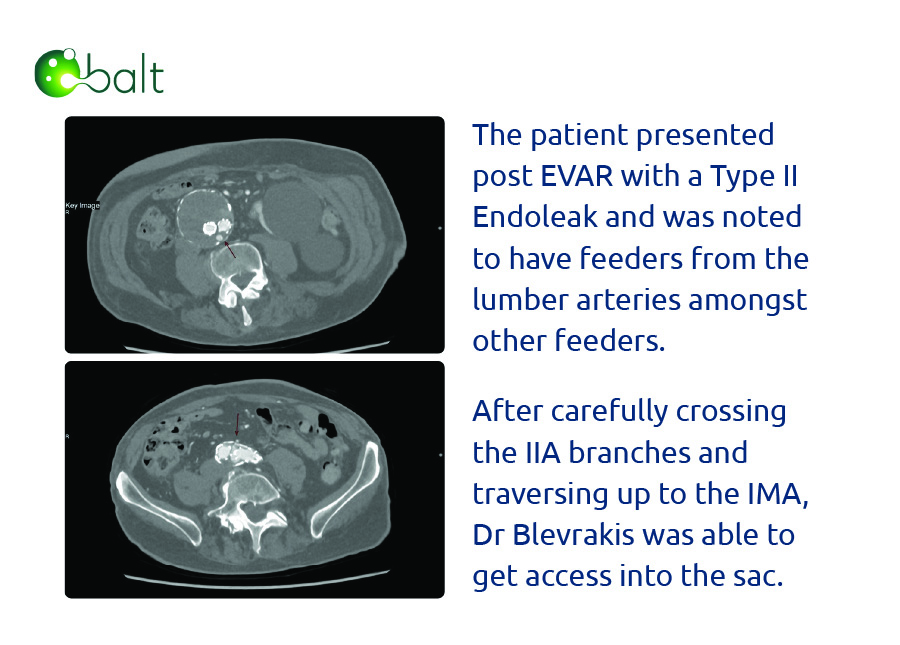
Treating a Type II Endoleak with SQUIDPERI: A Case from Pilgrim Hospital, Boston
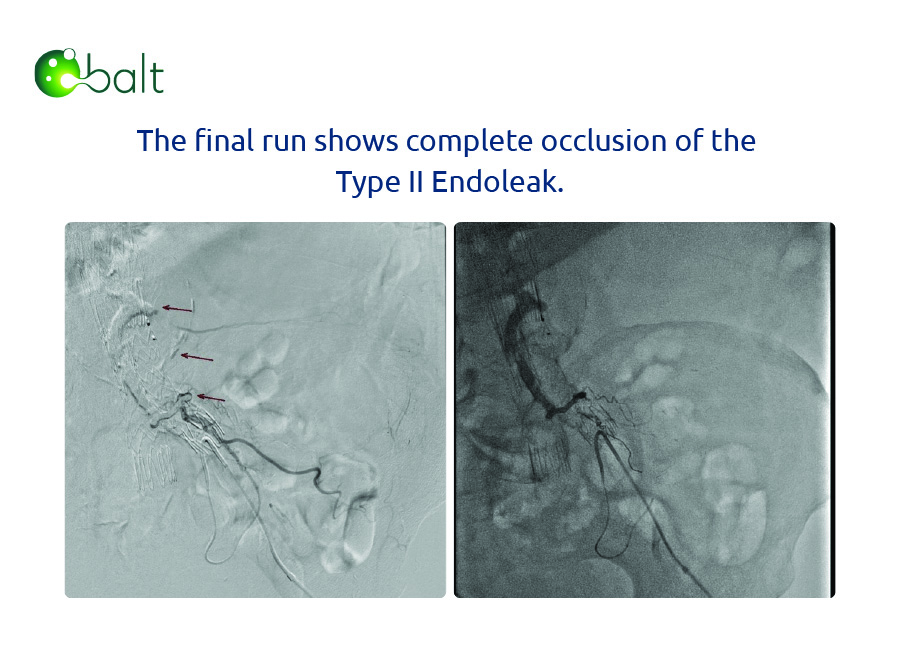
Highlighting a recent case where Dr Emmanouil Blevrakis, Consultant Interventional Radiologist, treated a Type II endoleak following EVAR using Squidperi EVOH Liquid Embolic.
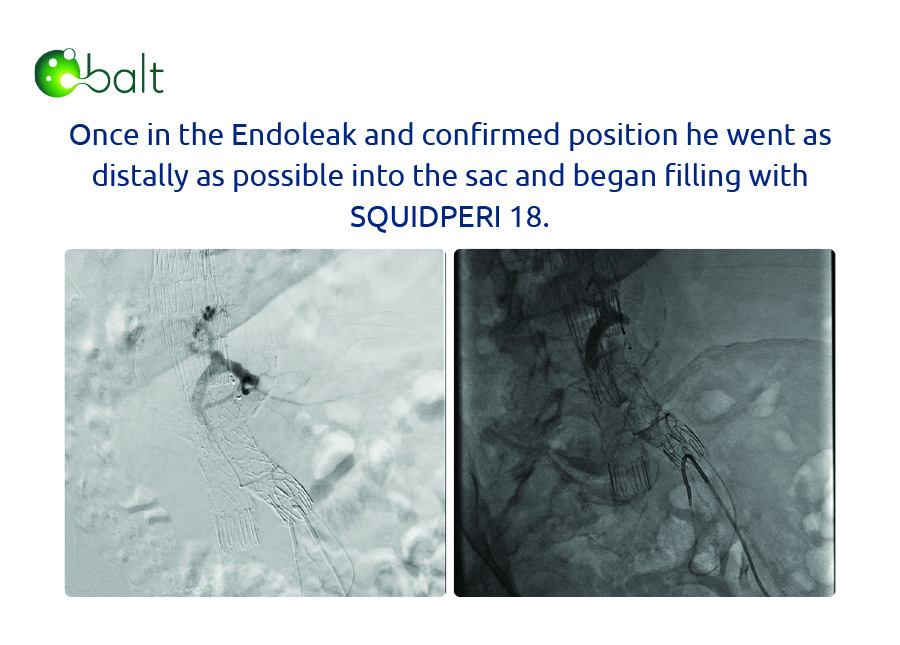
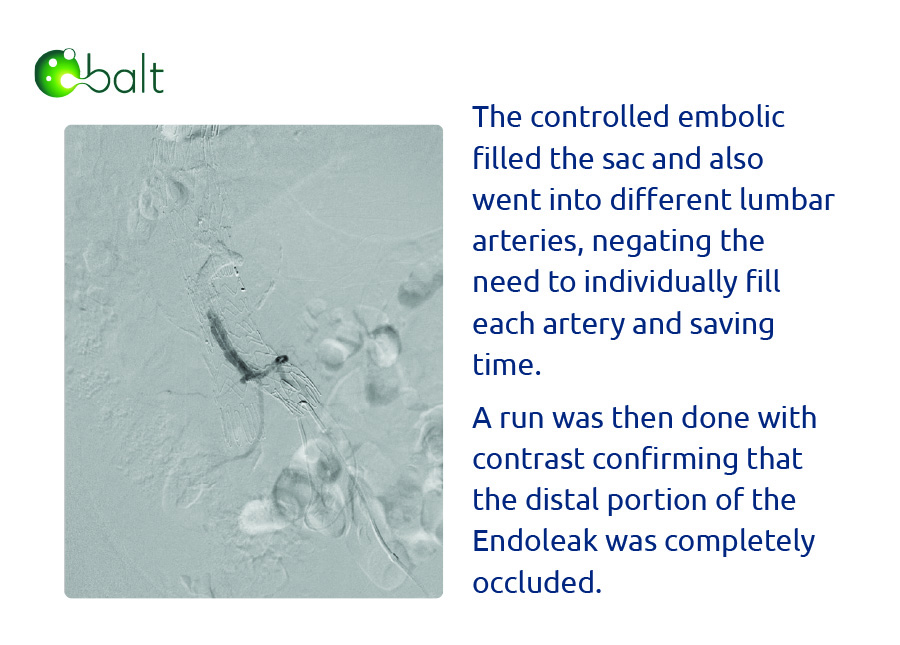
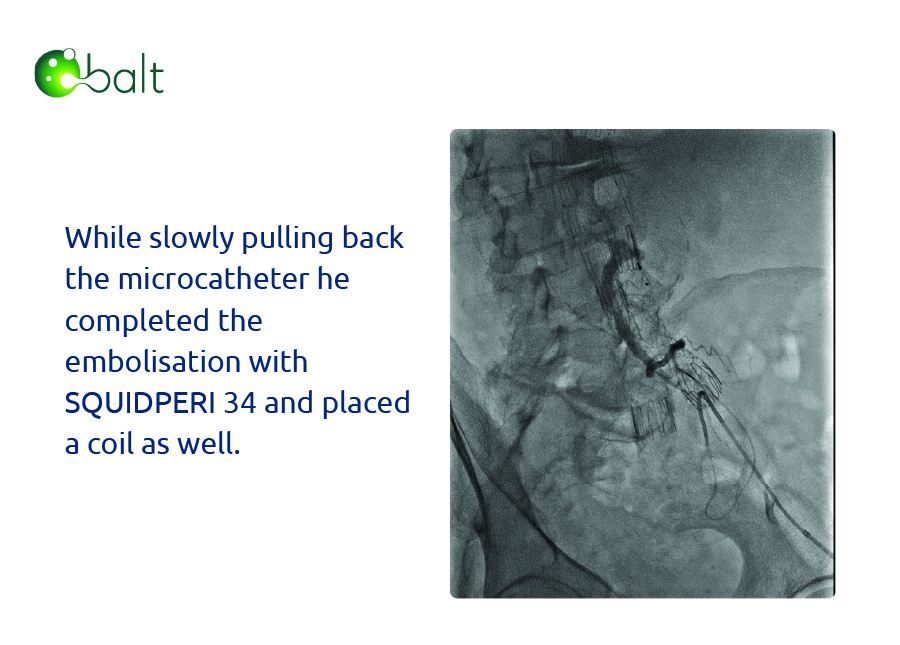
With multiple feeding vessels, including lumbar arteries, Squidperi 18 enabled filling of the endoleak sac and its feeders, helping to save time by avoiding individual embolisation of each artery. The procedure was completed using Squidperi 34 and a coil, with the final angiogram confirming complete occlusion of the endoleak.
We thank Dr Blevrakis for sharing this case, explore the carousel below to follow the procedure step by step and see how Squidperi was used to achieve complete occlusion of the Type II endoleak.


Bringing advanced kidney cancer treatment closer to home in Cornwall
Patients in Cornwall are now able to benefit from improved access to advanced, minimally invasive kidney cancer treatment following the successful completion of the first renal microwave ablation procedure at Royal Cornwall Hospitals NHS Trust using the Solero microwave ablation system from AngioDynamics.
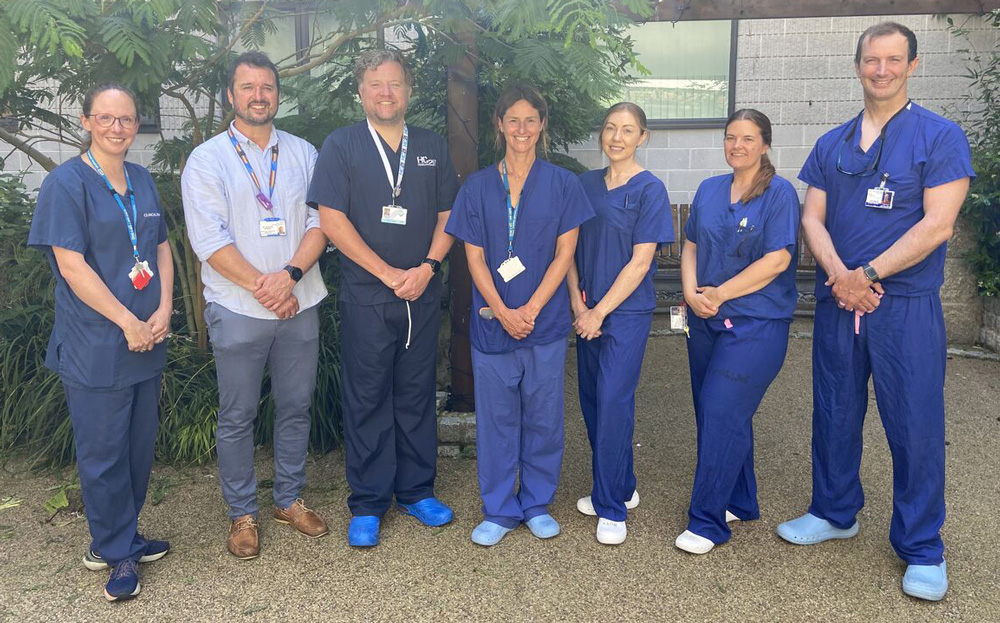
We were delighted to support this landmark first case, helping bring a valuable treatment option closer to patients and supporting the Trust’s commitment to improving access to specialist cancer care.
Until now, patients in Cornwall requiring renal microwave ablation have had to travel to Plymouth to access this specialist treatment. The introduction of the service at Royal Cornwall Hospitals NHS Trust represents a significant step forward, offering eligible patients access to a minimally invasive treatment locally and helping reduce the burden of travelling long distances for care.
The first procedure was completed successfully, with the patient recovering well and returning home the following day. The treatment was delivered by a multidisciplinary team, including interventional radiology consultants Helena Barton, Rhys Llewelyn and Angie Rogers, alongside Dr Jonathan Skinner from Exeter Hospital, who is supporting the initial cases as the service becomes established.
Dr Angie Rogers, Consultant Interventional Radiologist at Royal Cornwall Hospital said “We have been using the Solero system exclusively since establishing our new renal ablation service at the Royal Cornwall Hospital. Both the antennae and the system itself are intuitive and straightforward to use, which has helped us develop the service with confidence. The support we have received from Dan and his team has been outstanding, and we have consistently felt very well supported by the wider Aquilant team.”
We are proud to support Royal Cornwall Hospitals NHS Trust as it develops this important new service. By working alongside the clinical team, we look forward to helping establish local treatment pathways that improve access to advanced cancer therapies, reduce the need for long-distance travel and support patient-centred care.
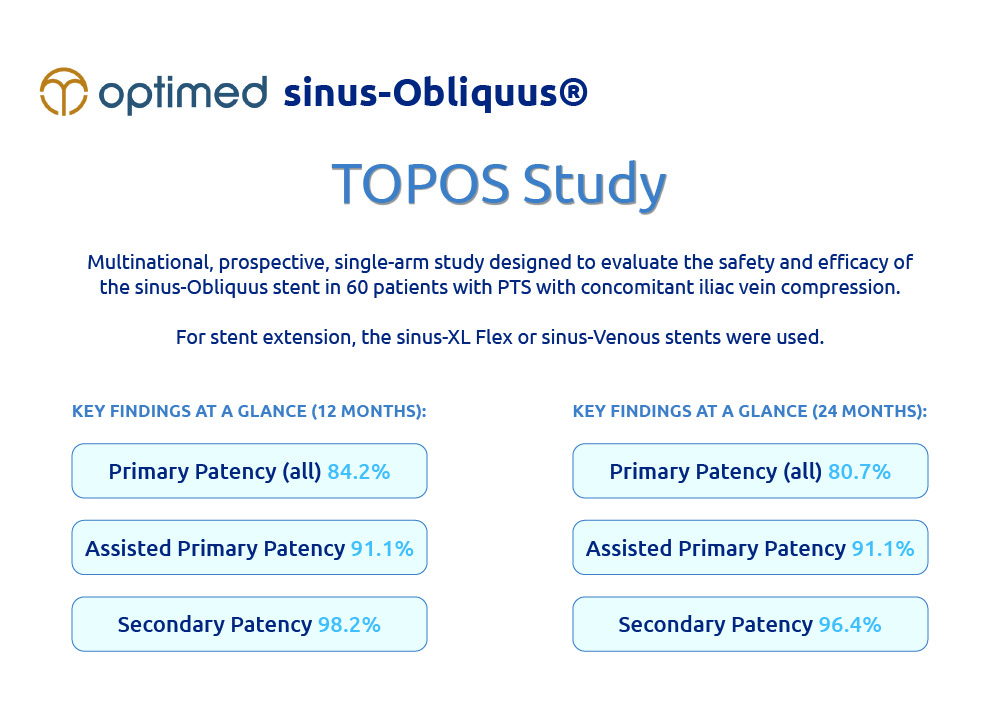
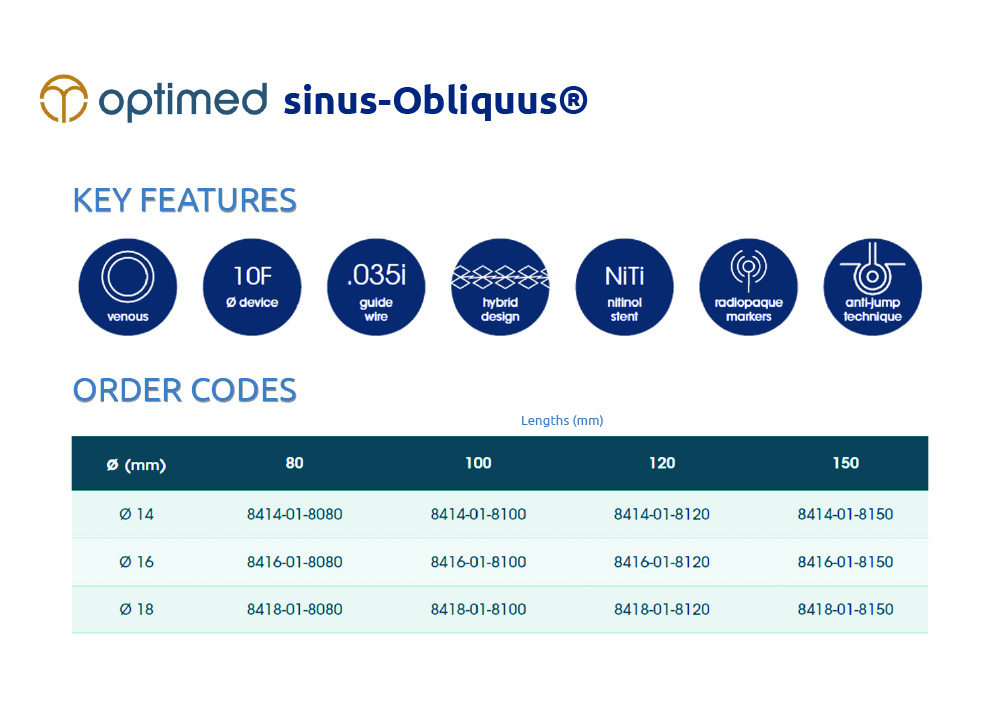
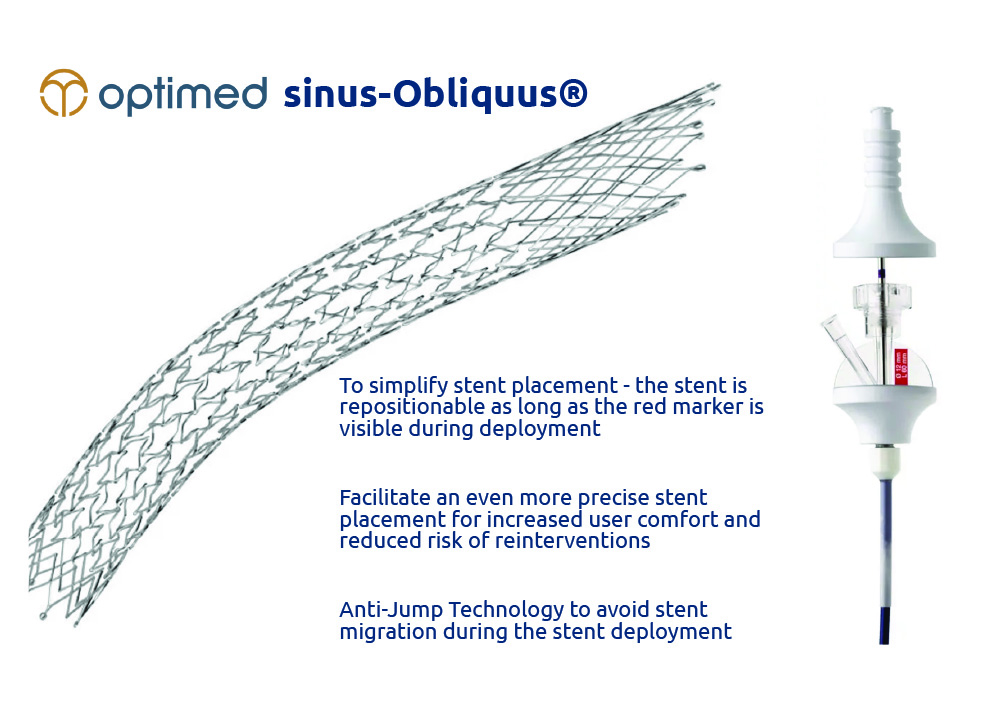
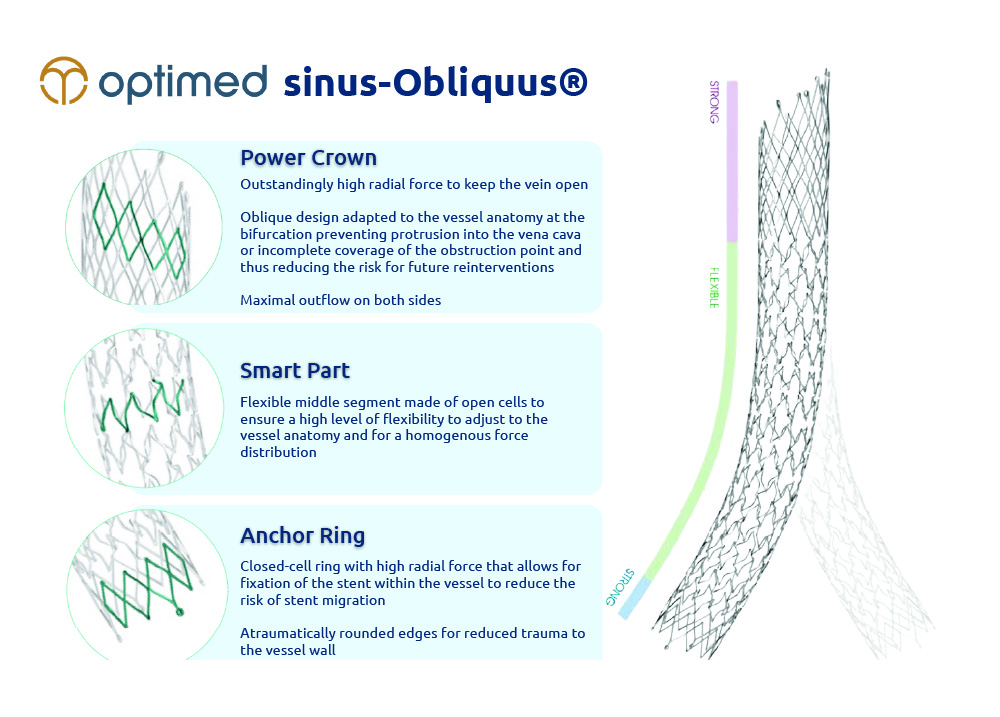
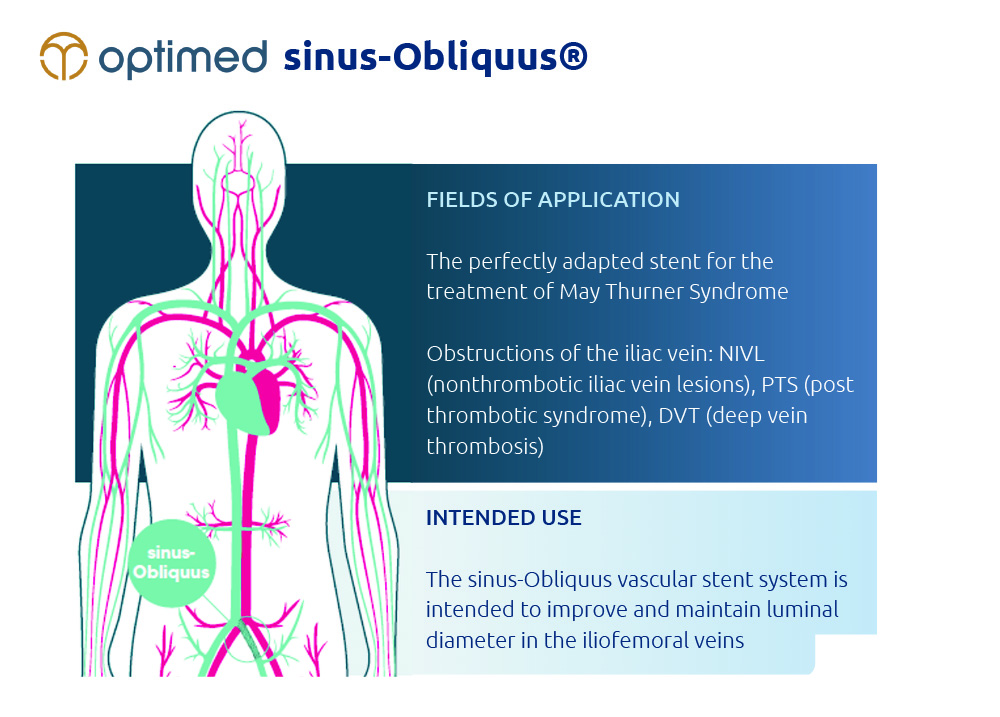
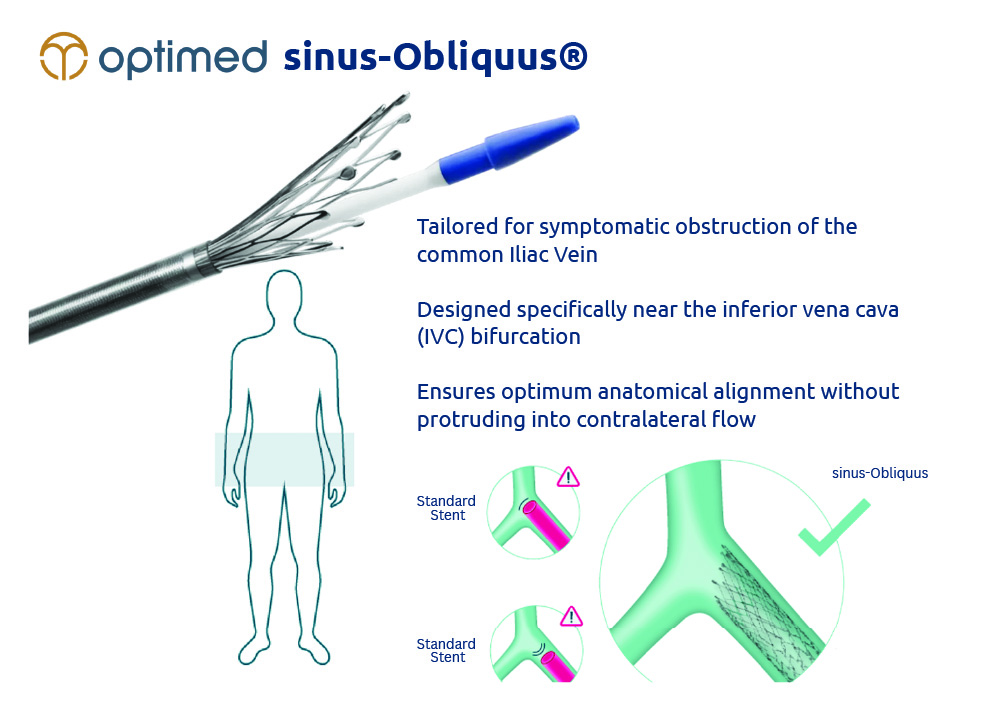
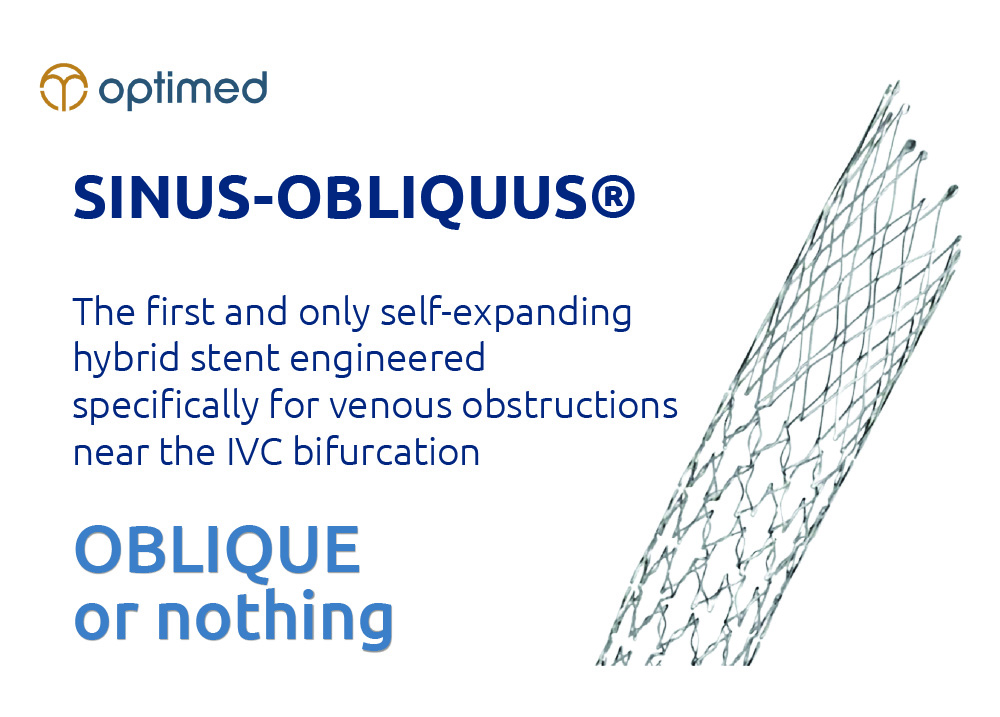
Focus on the sinus Obliquus from Optimed
A dedicated stent for the treatment of May-Thurner syndrome


Supporting complex biliary procedures through multidisciplinary collaboration

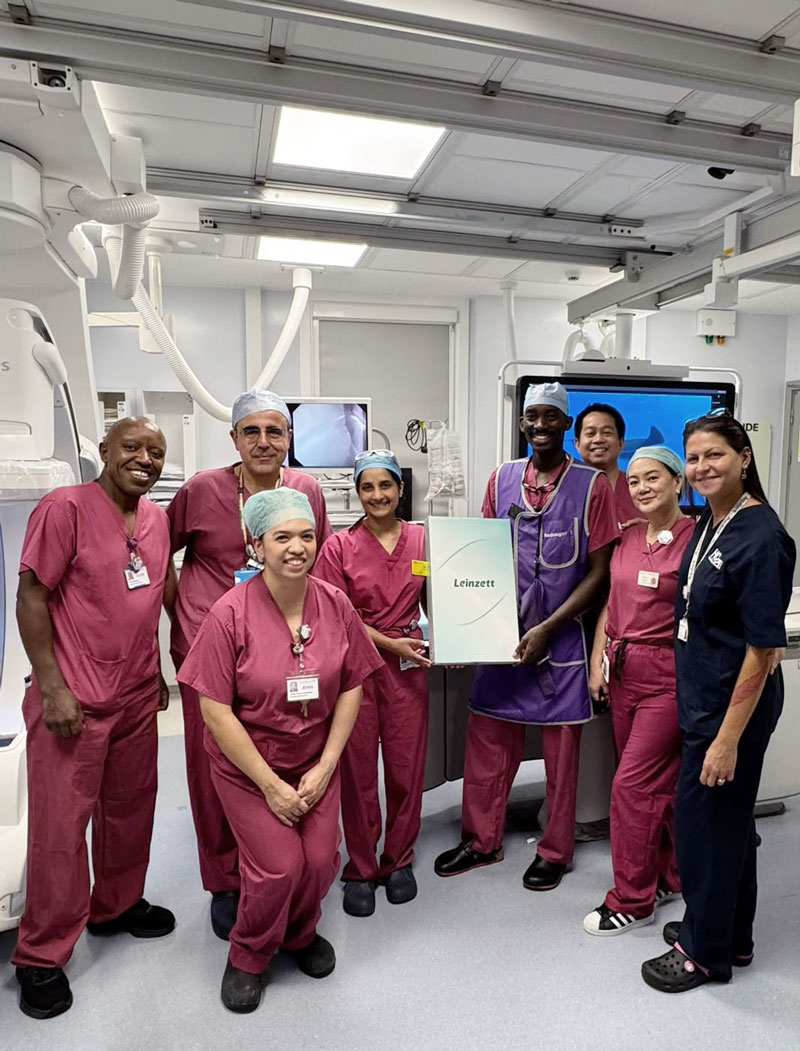
We were delighted to support a combined Endoscopy and Interventional Radiology procedure at The Royal Marsden NHS Foundation Trust recently, highlighting the importance of collaboration and innovative technology in managing complex clinical cases.
The procedure was carried out by Prof Darina Kohoutová (Consultant Gastroenterologist) and Prof Nicos Fotiadis (Consultant Interventional Radiologist), utilising the portable video cholangioscope from Leinzett Medical.
Supporting Precision in Stone Removal
During the procedure, the clinical team successfully used the cholangioscope to manually clear multiple stones from the common bile duct, located above an existing stent. The portable video technology provided valuable visualisation to support the team in carrying out this complex intervention.
The case demonstrated the benefits of bringing together expertise from Endoscopy and Interventional Radiology, alongside access to the appropriate technology, to support effective procedural management.
We look forward to continuing to support the team at The Royal Marsden with future cases.
More than just another atherectomy system
Complex peripheral arterial disease calls for a versatile approach. The Auryon Atherectomy System combines a 355nm laser with the capability to break through calcium and aspirate clot. Lithotripsy effects observed in a micro-CT study also highlight its potential to address medial arterial calcification.
These capabilities position Auryon as more than an atherectomy device. It offers a vessel preparation approach designed to support clinicians in treating some of their more complex patients, above and below the knee.
Flexibility across lesion types
Auryon is indicated for the treatment of peripheral arterial disease below the inguinal ligament. The 2.0 mm and 2.35 mm catheters are also indicated for in-stent restenosis (ISR), extending its versatility across a range of challenging lesions.
With capabilities that address calcium and clot, alongside an emphasis on minimising embolisation risk, Auryon brings multiple treatment functions into one system.
Supporting clinicians in complex cases
From calcified lesions to ISR in the indicated catheter sizes, Auryon offers clinicians a versatile option for vessel preparation—helping them approach challenging peripheral interventions with confidence.
Indications: Auryon is indicated to treat peripheral arterial disease below the level of the inguinal ligament and in-stent restenosis. Only the 2.0 mm and 2.35 mm catheters are indicated for ISR.
“Having used the Auryon laser atherectomy system on multiple occasions, I have found it to be a valuable tool in managing complex peripheral arterial disease. One particularly memorable case involved a severely calcified anterior tibial artery occlusion that I was able to cross with a guidewire, but despite having through-and-through access from the groin to the pedal artery to maximise support, I could not advance any balloon or catheter across the lesion. The Auryon laser enabled us to create a channel through the heavily calcified occlusion, allowing subsequent balloon angioplasty and stenting to be performed successfully. This resulted in restoration of vessel patency and, most importantly, healing of the patient’s tissue loss. This experience highlighted the potential of laser atherectomy to facilitate treatment in challenging below-the-knee lesions where conventional device delivery may be unsuccessful. It has been a valuable addition to my endovascular toolkit, particularly in complex cases where achieving lesion crossing and device delivery can be the greatest challenge”.
Dr Hossam Saro, Consultant Interventional Radiologist, Barts Health NHS Trust.
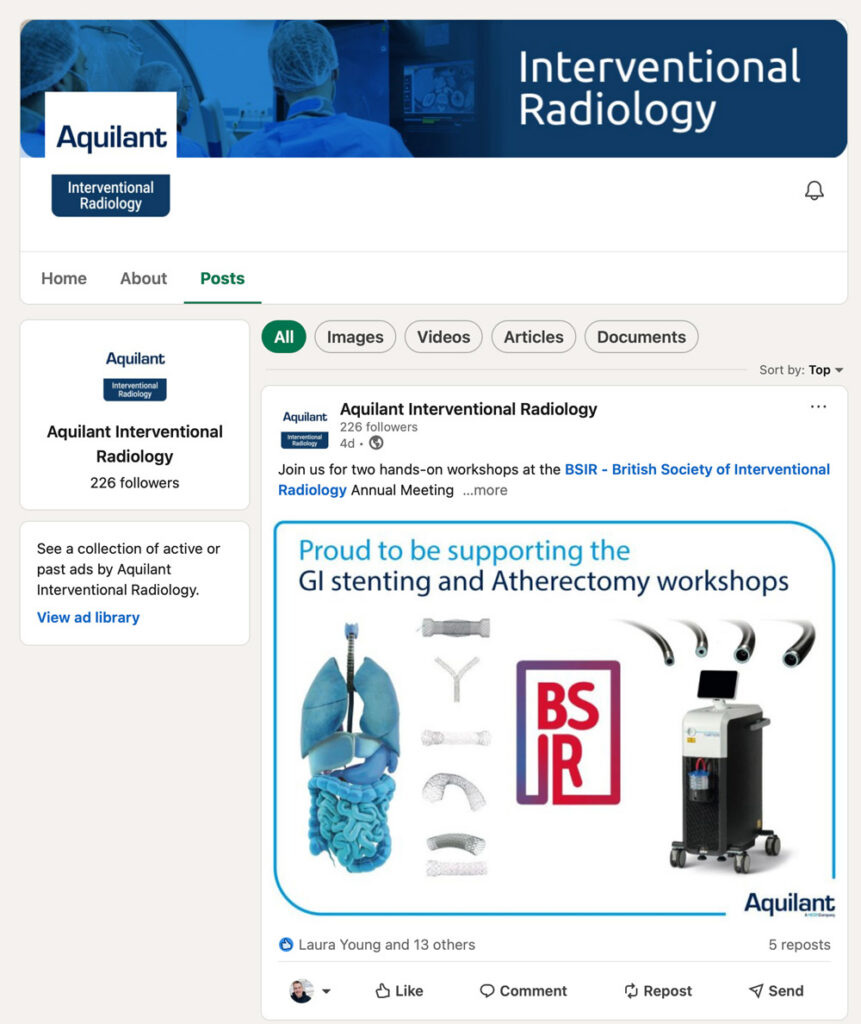
Follow Us on LinkedIn
Stay connected with our new dedicated Interventional Radiology LinkedIn page.
Follow us for the latest news and product updates, and tag us in your posts featuring our products.
Cost-effective biopsy solutions without compromising quality
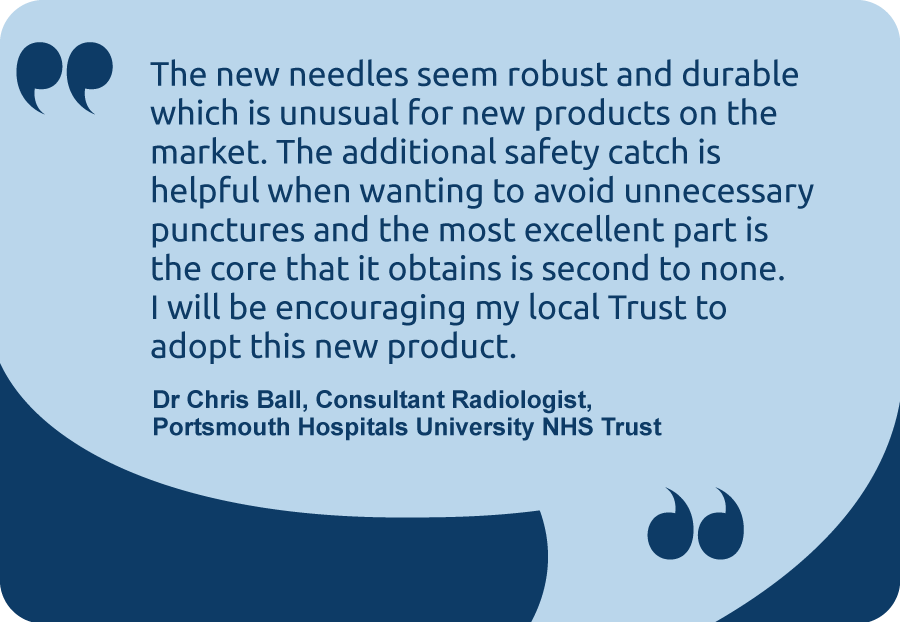
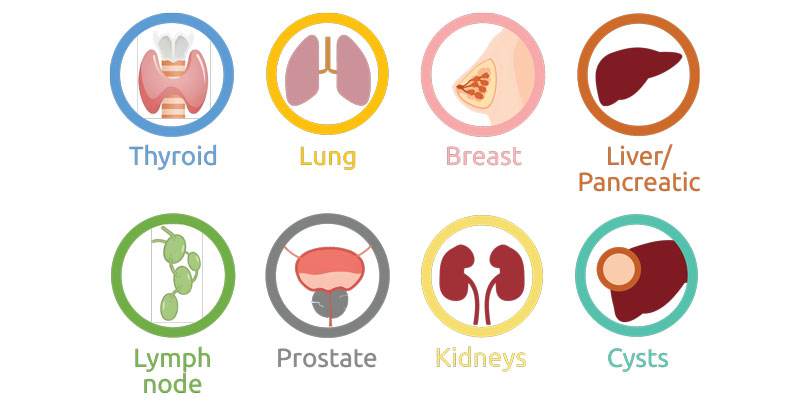
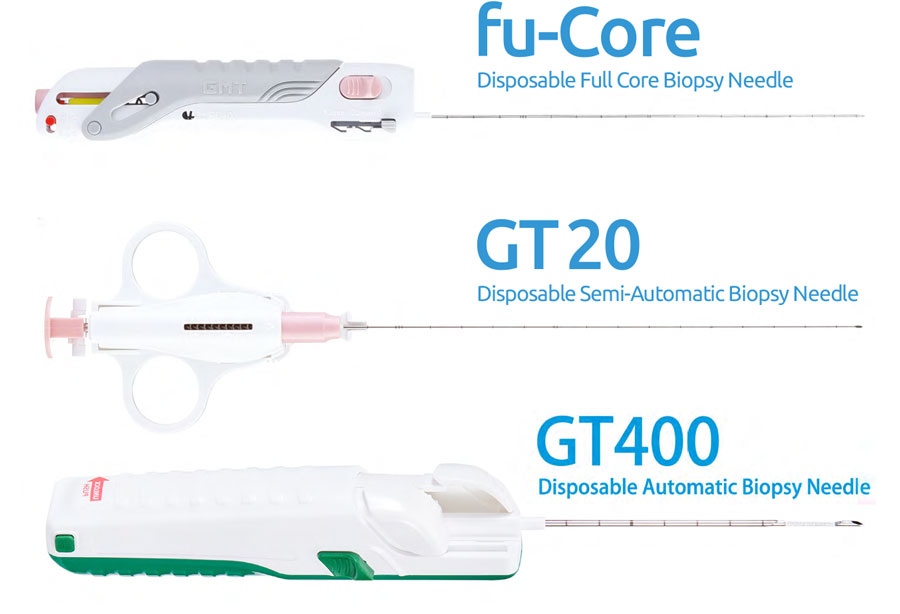
Our new biopsy needles from GMT Medical offer a comprehensive range of high quality biopsy solutions including full core, semi-automatic and automatic providing superior quality histology samples.
![]()

We have recently provided one trust with potential savings of over £34,000 per year
• No compromise to patient care
• No changes to clinical procedures
• Clinically equivalent product solutions
• Improved budget efficiency
• Additional funds available for reinvestment
Contact us to explore the range
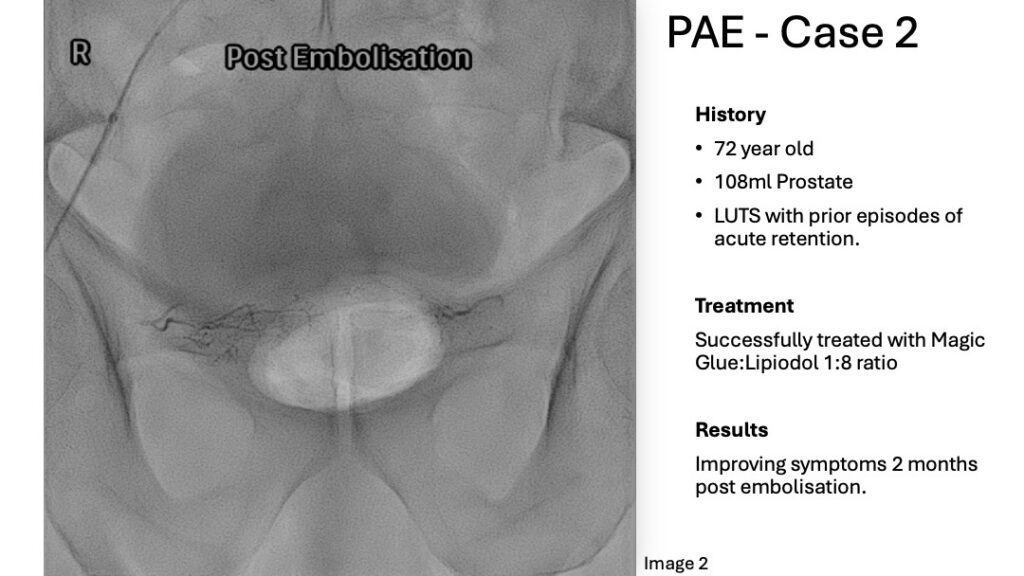
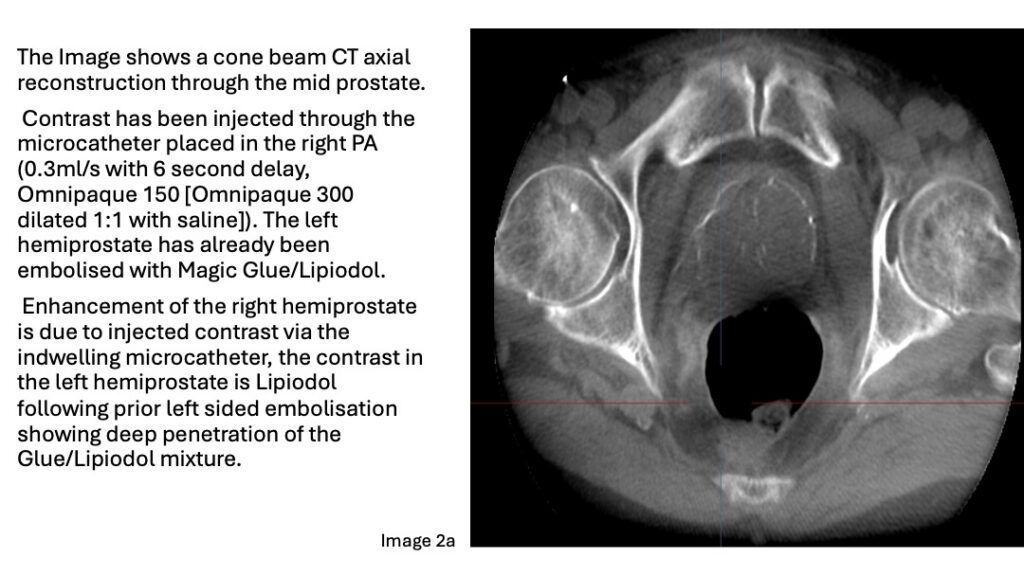
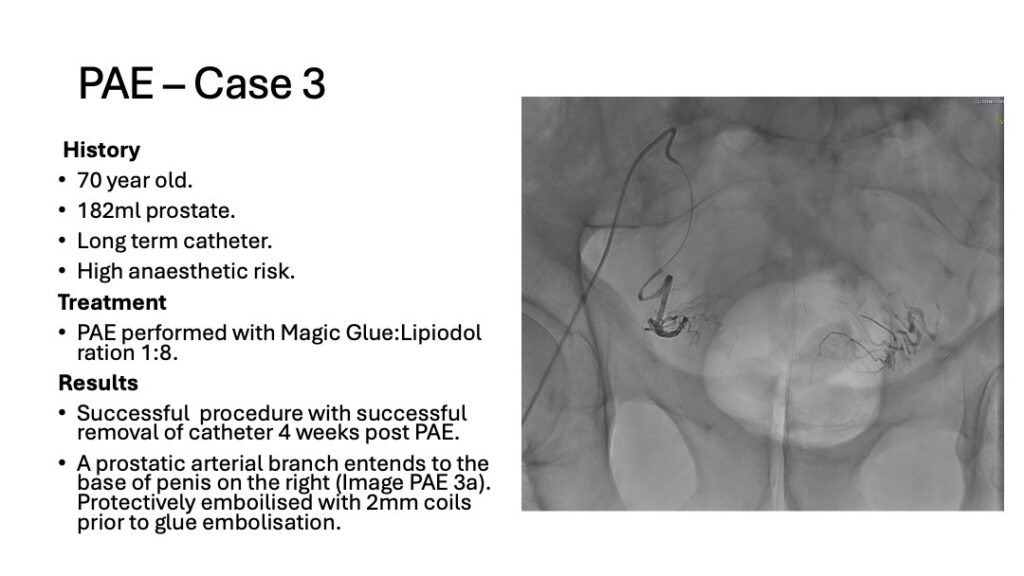
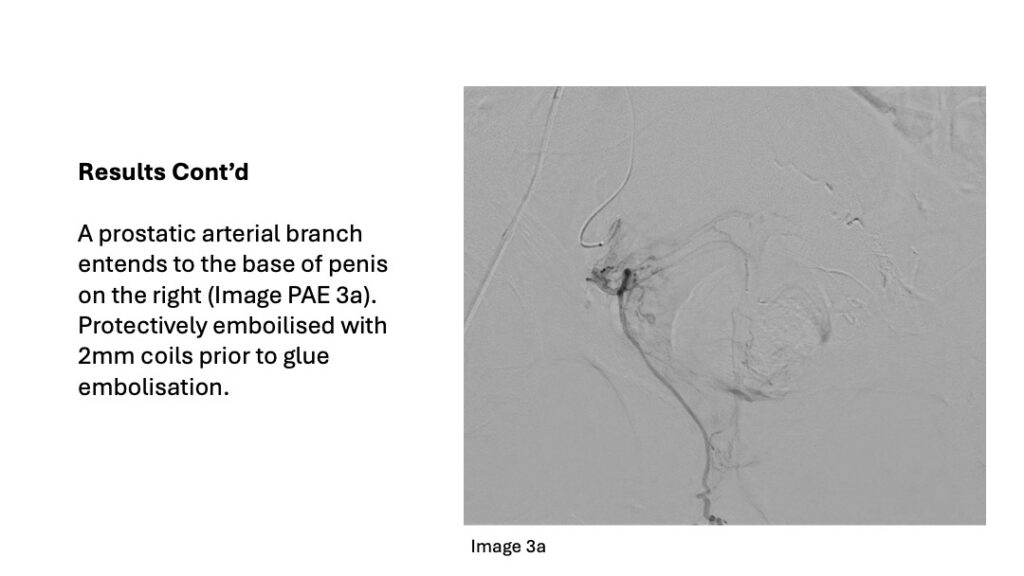
Magic Glue: controlled delivery for targeted peripheral embolisation
Manufactured by BALT, Magic Glue is a specially formulated liquid embolic agent designed for peripheral vascular interventions, offering physicians enhanced injection control and precision to support targeted embolisation.
This latest generation n-hexyl cyanoacrylate monomer has unique features, including a slower polymerisation time and lower adhesion strength to the microcatheter. Magic Glue can only be injected as a mixture with ethiodized oil, which provides radiopacity and modulates the polymerisation rate. The occlusion effect occurs when the mixture comes into contact with blood and the polymerisation process begins 1 to 2 seconds after first contact and ends 60 – 90s after. The following cases demonstrate the precision of the liquid embolic, as well as the adaptability in both venous and arterial indications.
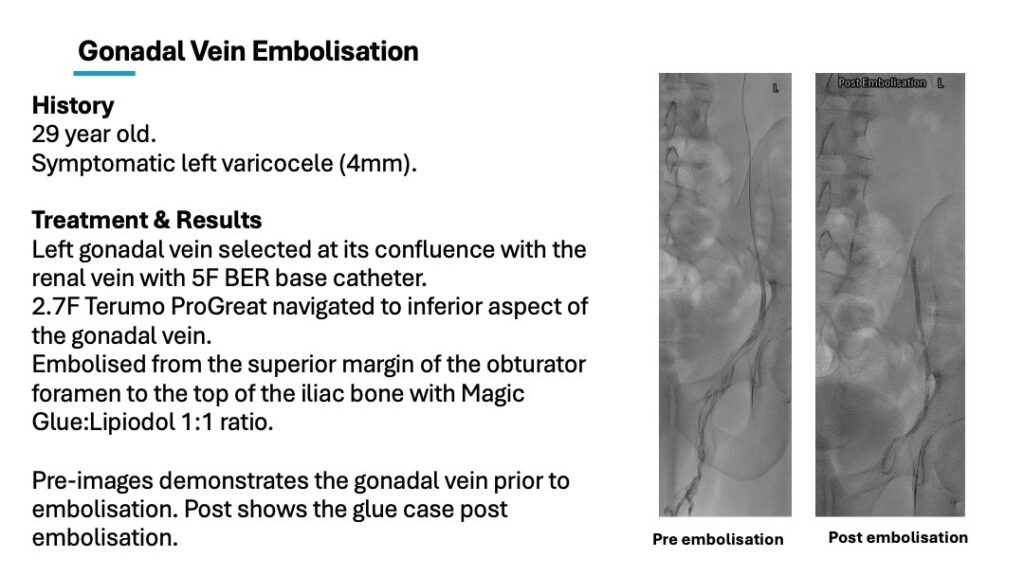
Gonadal Vein Embolisation:
Male patients presenting with varicoceles experience an abnormal dilatation and tortuosity of the pampiniform plexus vein within the spermatic chord, resulting in venous reflux and valvular incompetence. This extreme condition adversely affects quality of life and fertility for patients. The minimally invasive treatment with glue for these patients demonstrates high technical success, with low recurrence rates and shorter treatment times, therefore less radiation exposure.
The following case with Magic Glue in a Testicular Vein highlights the excellent results that can be obtained, since liquid embolics have the advantage of penetrating collateral pathways, resulting in greater effectiveness for patients.
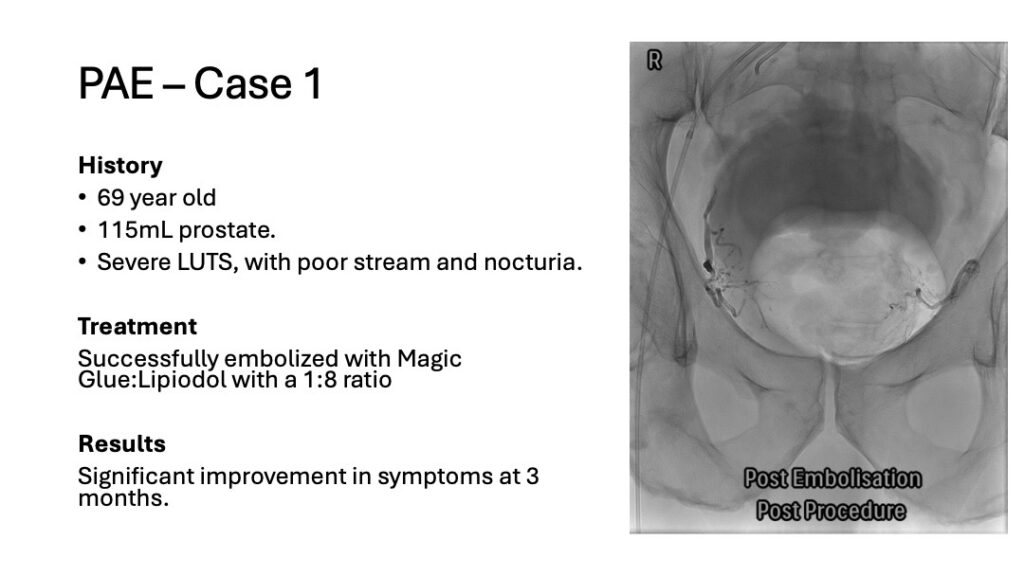
Prostate Artery Embolisation:
Benign prostatic hyperplasia (BPH) is highly prevalent among older men and can significantly impair a patient’s quality of life (QoL) by causing lower urinary tract obstruction. Consequently, minimally invasive treatments with low associated risks are of considerable interest for patients with symptomatic BPH who do not respond adequately to pharmacological therapy. Several Studies have demonstrated the efficacy and safety of prostate artery embolisation (PAE), supporting its use as an alternative to conventional surgical treatment.
We would like to extend a huge thank you to Dr Thomas Barge, Consultant Interventional Radiologist at East Suffolk and North Essex NHS Trust for sharing some recent cases.
[1] Loffroy, R., Guillen, K., Salet, E., Marcelin, C., Comby, P.-O., Midulla, M., Grenier, N., Chevallier, O. and Petitpierre, F. (2021). Prostate artery embolization using n-butyl cyanoacrylate glue for urinary tract symptoms due to benign prostatic hyperplasia: A valid alternative to microparticles? Journal of Clinical Medicine, 10(14), p.3161. doi:10.3390/jcm10143161.


Upcoming events
4th–6th November 2026
BSIR Birmingham
1st December 2026
Ablation Study Day London
11th–12th March 2027
VITALS St Albans
19th May 2027
Liver Intervention Study Day London